Curriculum

What students learn, week by week

Eight live one-hour sessions, each building toward a finished project. No heavy homework.

How the Course Unfolds: 8-Week Curriculum Overview

A question that changes how you see everything. We start by looking at the world differently, tracing the hidden threads that connect problems you already care about.

Most solutions only treat the surface. This week students learn to see deeper, understanding why things work the way they do and what it really means to make something better.

Nature has been solving hard problems for billions of years. Students step outside, observe, and start asking what it would look like to design things the way living systems do.

Three cities. Three broken systems. Three remarkable transformations. Students dig into what actually happened and ask whether something like this could happen where they live.

From Alberta farmland to the Bow River, students discover that regenerative thinking isn't abstract. It's already happening in their own backyard, led by communities who've been doing it for generations.

Every great project starts with the right question. This week students find theirs, something they genuinely care about, rooted in what they've learned and pointed toward something real.

Ideas become tangible. Students prototype, pitch, and get honest feedback, experiencing what it actually feels like to move from thinking to making.

A live showcase with a real audience. Students present the work they've built over 8 weeks and answer for it, confidently and on their own terms.

Knowledge and skills

The knowledge and skills students leave with

Knowledge

System design & regenerative thinking

  1. 01

    Degenerative vs. regenerative thinking

    How to tell solutions that only treat the surface from ones that leave a system healthier over time.

  2. 02

    Mapping systems and feedback loops

    How to trace causes, loops and relationships to see what is really driving a problem.

  3. 03

    Connecting environment, technology and society

    How the problems students already care about are linked by hidden threads.

  4. 04

    Learning design from nature

    What living systems have been solving for billions of years, and what it looks like to design the way they do.

  5. 05

    Proposing nature-inspired solutions

    How to turn what nature does into ideas for real, practical responses to a problem.

  6. 06

    Finding real points of change

    Where a system can actually be changed, studied through real cities that transformed.

Skills

Technical, scientific & research skills

  1. 01

    Find and evaluate sources

    Research a question and judge which sources can be trusted.

  2. 02

    Keep a weekly journal

    Record how thinking grows and questions evolve, in writing, drawing or voice.

  3. 03

    Build a lo-fi prototype

    Turn an idea into a first version: a sketch, model, diagram or written proposal.

  4. 04

    Design a pitch deck

    Present a problem, the research behind it and a proposed solution in a short slideshow.

  5. 05

    Give and receive feedback

    Share work in progress, take honest feedback and use it to improve.

4 Things Every Student Walks Away With

Process Journal

A journal of how their thinking grew and changed and how their questions evolved, in any format they choose: written, drawn, or voice-recorded.

Systems Map

A diagram connecting and linking their problem to the larger system behind and around it, including causes, loops, and relationships.

Lo-Fi Prototype

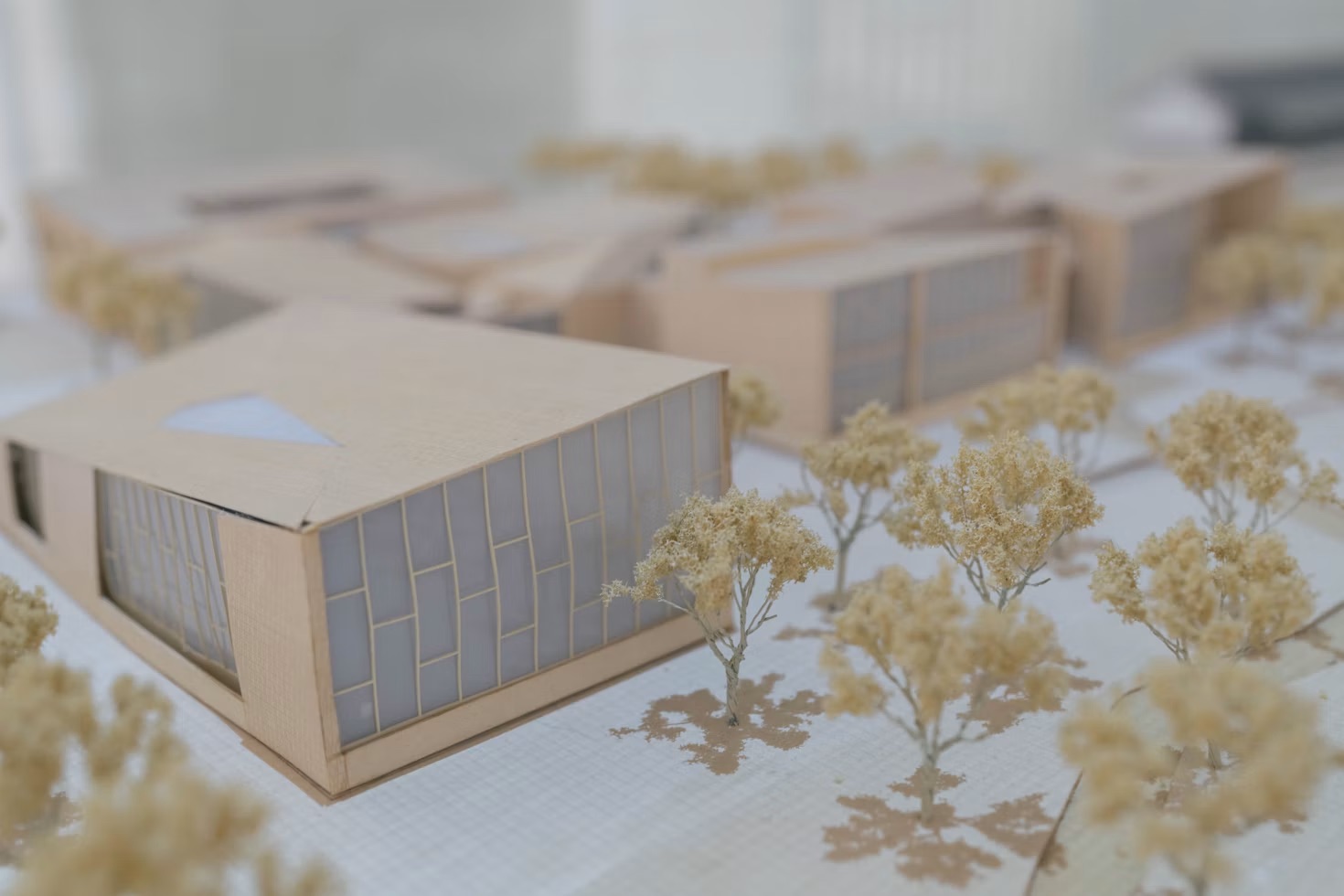
A first version of their solution in any form: a sketch, physical model, diagram, or written proposal.

Pitch Deck

A short slideshow presenting their problem, research, and proposed solution to an audience of parents and peers.

Beyond a School Curriculum and Science Project

Students won’t just learn about the problems they’re interested in, they’ll learn what the system is behind the problem, the connections that relate to that problem, and designing what is their next step with this new understanding.

In the span of this 8 week course for students in grades 6-8 that teaches systems thinking, regenerative design, and nature-inspired problem solving in STEM.

Join ROOTS Quest Free · Pilot cohort · Registration closes October 16
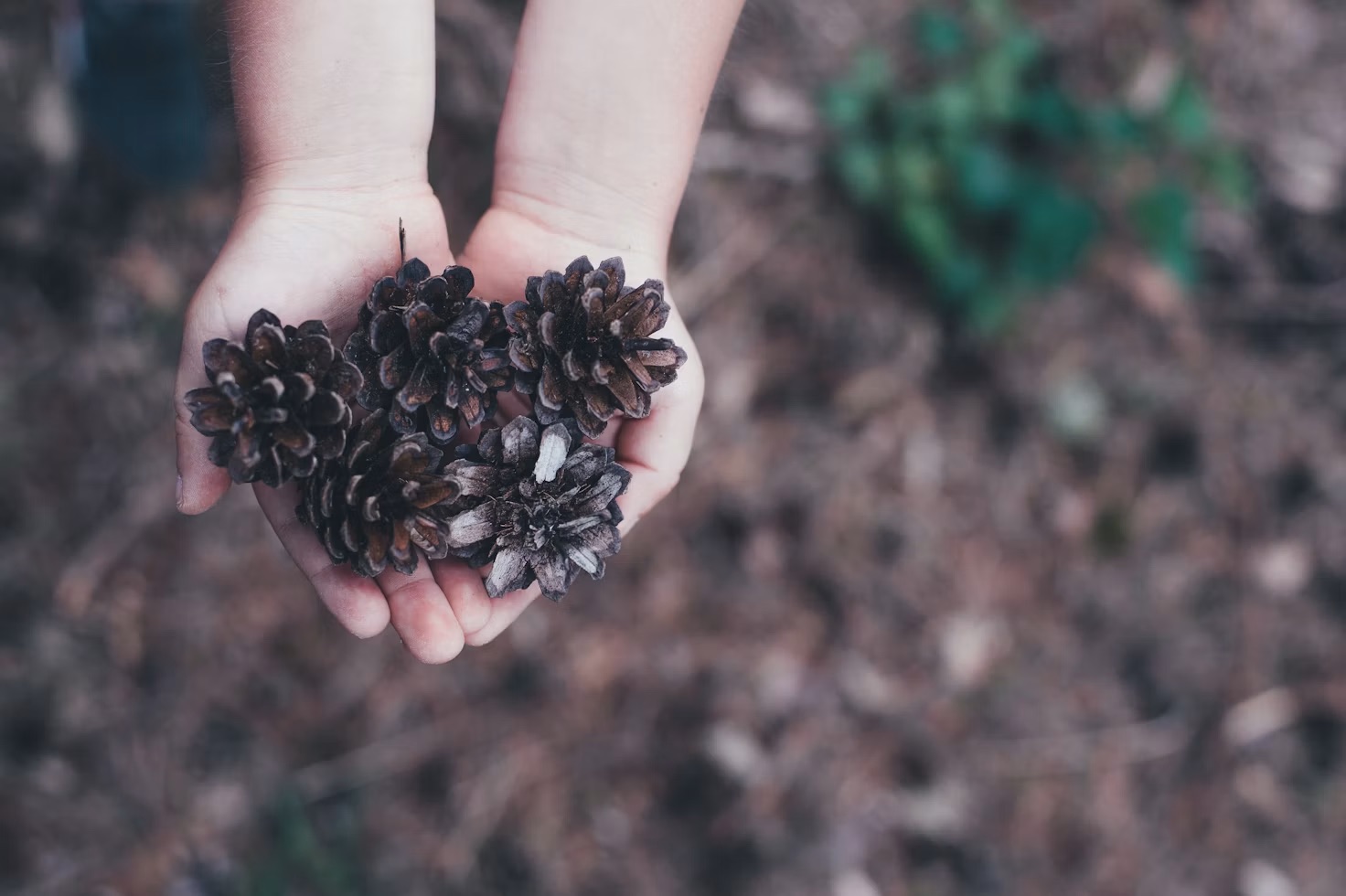
Hands holding pinecones
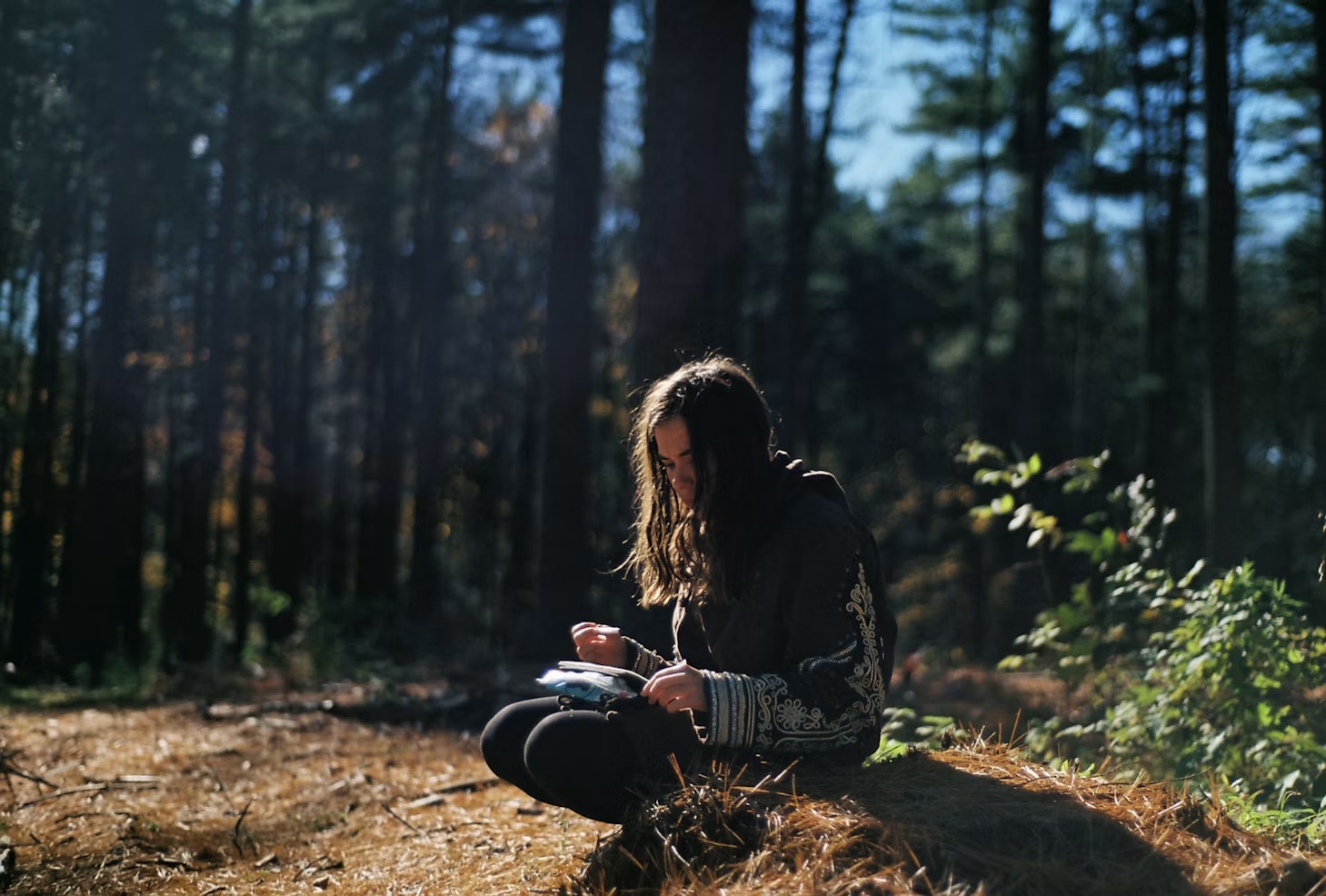
A student writing while seated in a forest
Questions

Everything you need to know

ROOTS Quest is built for curious STEM students in grades 6–8 who want to think beyond the textbook and tackle real-world problems.

ROOTS Quest is completely free — no tuition, no fees, no catch — because meaningful learning should be accessible to every student.

The course runs for 8 weeks with one live one-hour session per week, on Sundays at 5:00 p.m. Mountain Time, making it easy to fit into any schedule.

Very little. The learning happens in the live one-hour session each week. There is no heavy homework, so ROOTS Quest is easy to fit around school and family life.

Every session happens live over Zoom, giving students a real-time interactive experience from wherever they are.

ROOTS Quest is starting as a pilot cohort of just five to six students, keeping every session intimate enough for real conversations and genuine peer feedback.

We are testing the course with a small first group before opening it to more students. Pilot students get plenty of attention, and their feedback helps shape the course.

ROOTS Quest is based out of Calgary but designed to be fully accessible to students anywhere with an internet connection.

Pilot cohort of 5–6 students. Course starts October 18.

Join ROOTS Quest